Civil Engineering & Water InfrastructureGovernment and water boardsDredging industryOffshoreIndustryCalamities
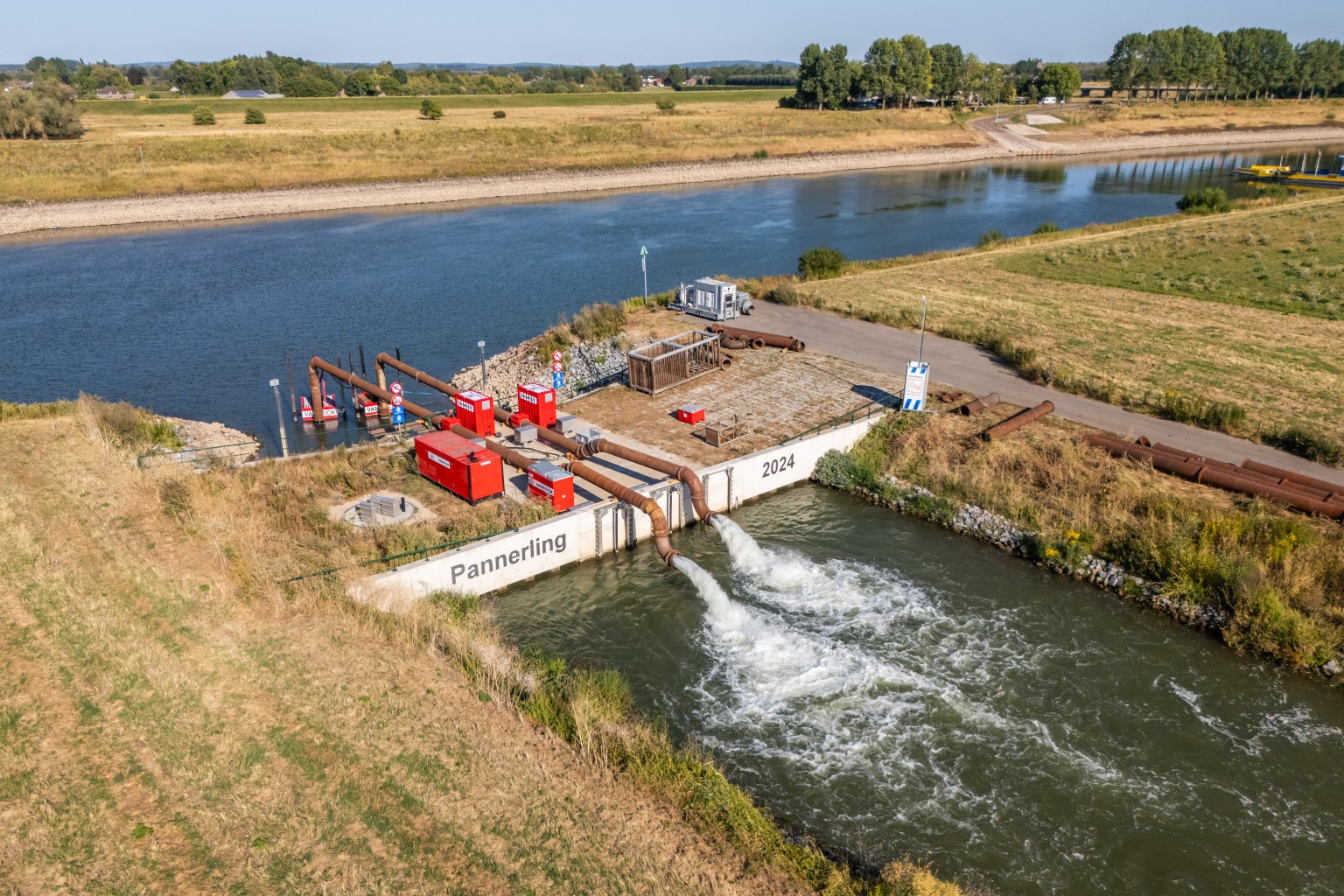
Waterpompstation bij het kanaal Pannerling met rode apparatuur, leidingen en stromend water, omgeven door grasland en bomen.
Government and water boards
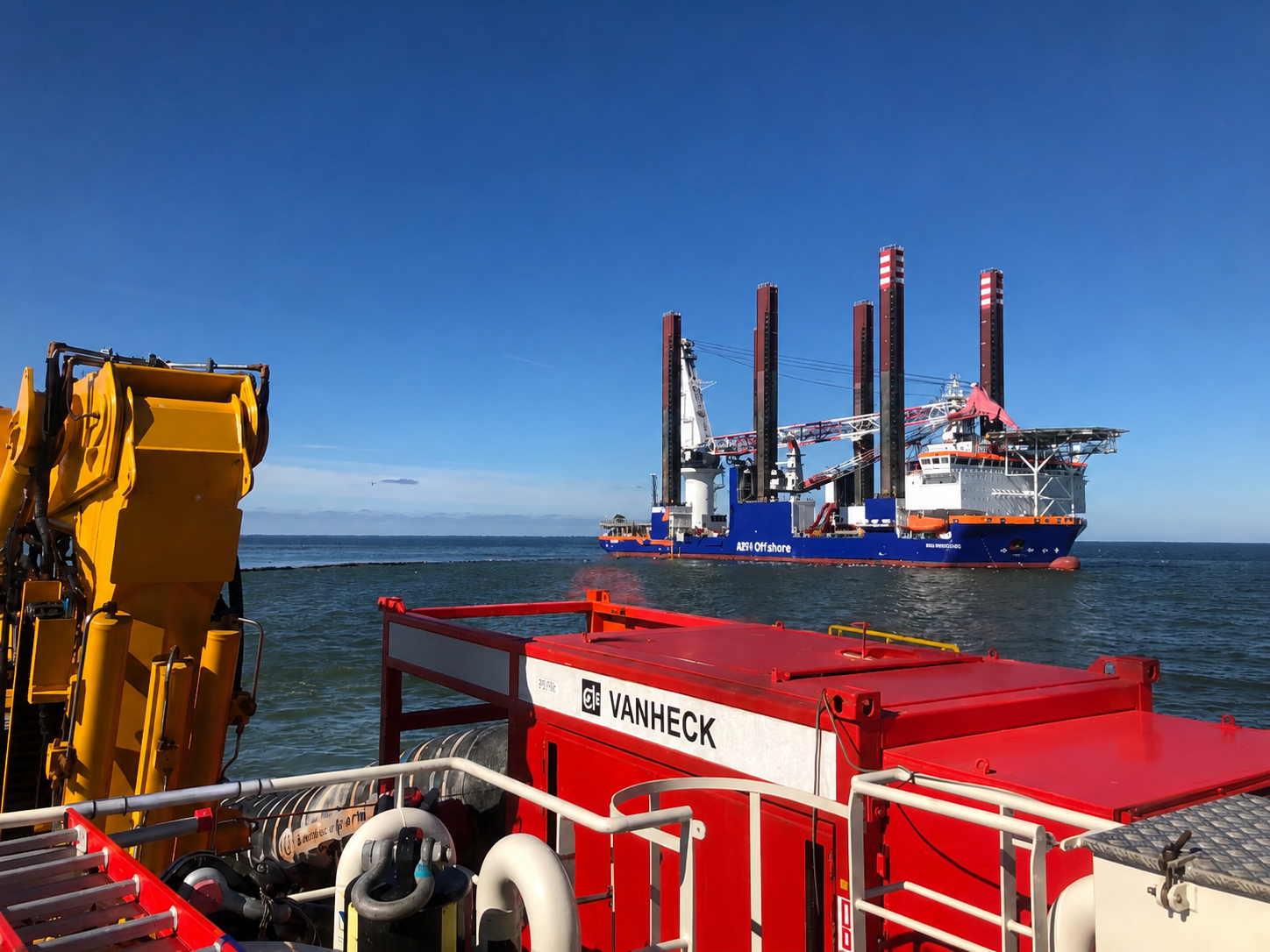
Rode pomp op een multicat op zee, op de achtergrond is een blauw met oranje jack-up schip te zien
Offshore
All projectsNewsOur solutionsIndustries
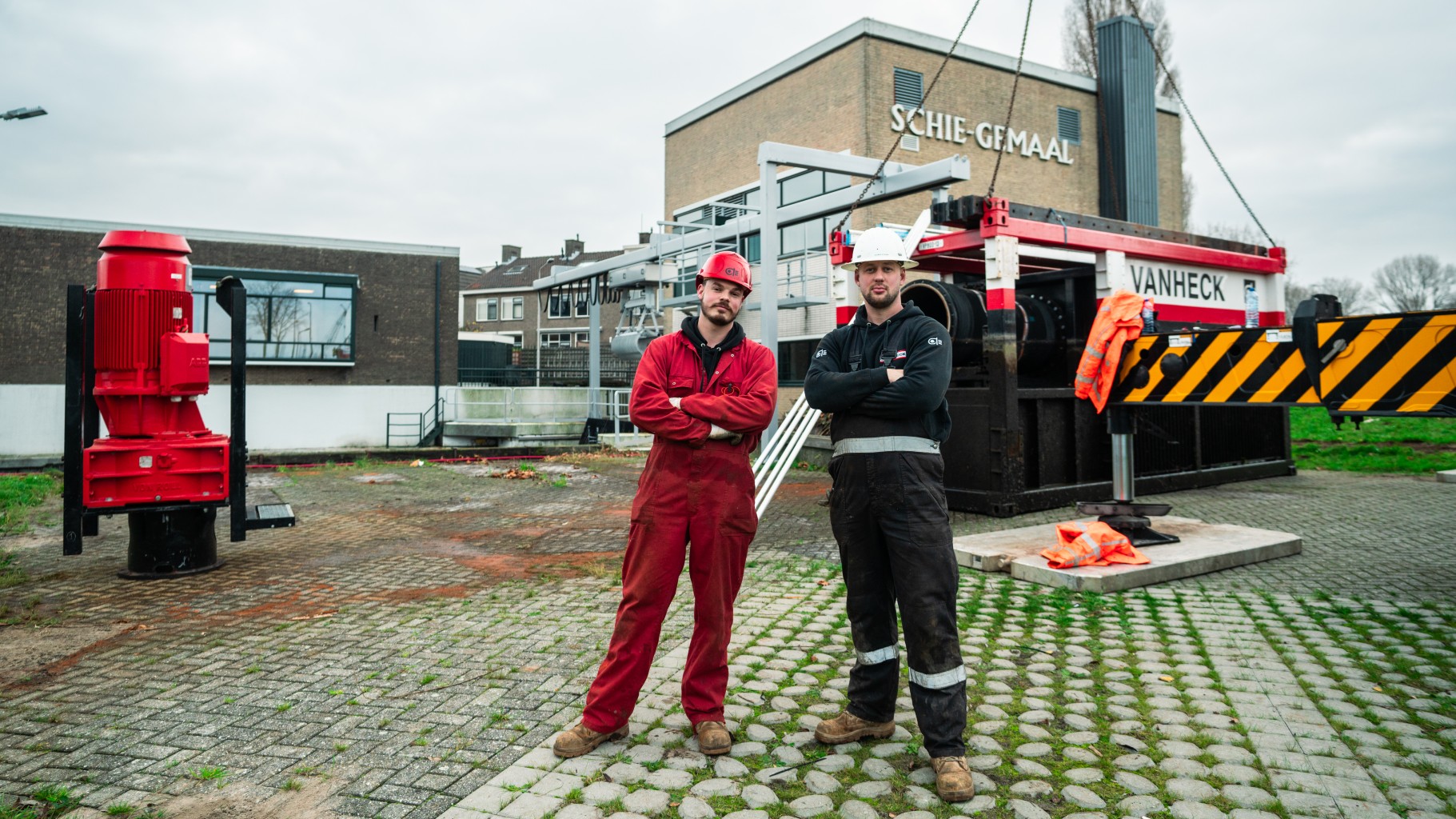
Twee monteurs poseren voor een waterpomp, elektromotor en een gemaal.
Construction of a temporary pumping station in the heart of Rotterdam
Dredging activities port La Rochelle
All pumpunitsDiesel driven pump unitsElectrically driven pump unitsSiphon systemsCalamitiesEmergency plans
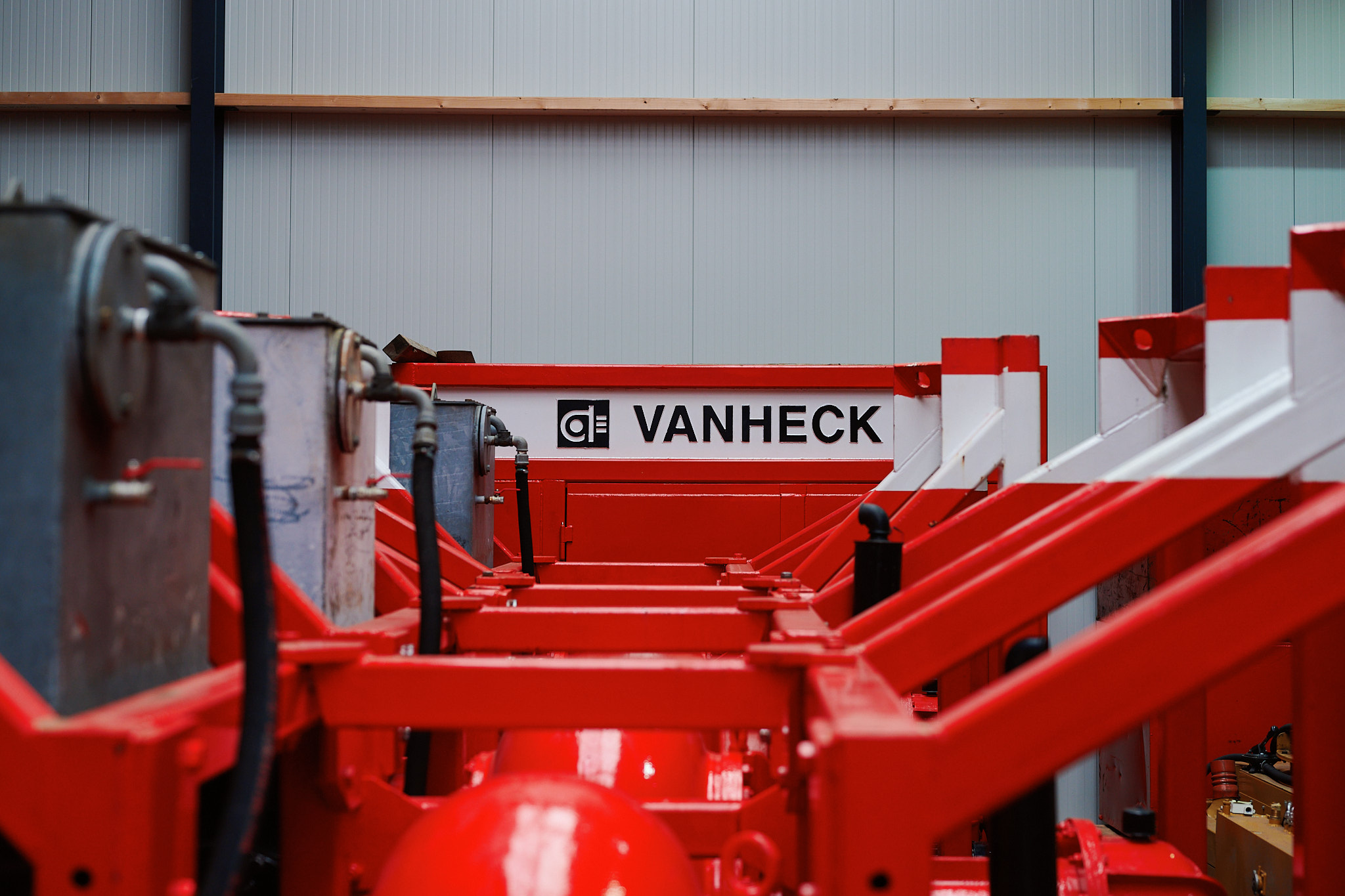
Een rij van pompsets naast elkaar in een loods, uitkijkend op een container met daarop het opschrift: "Van Heck"
Our pumpunits
Siphon systems

Internal development

July 15, 2026

Temporary pump units and ecology.

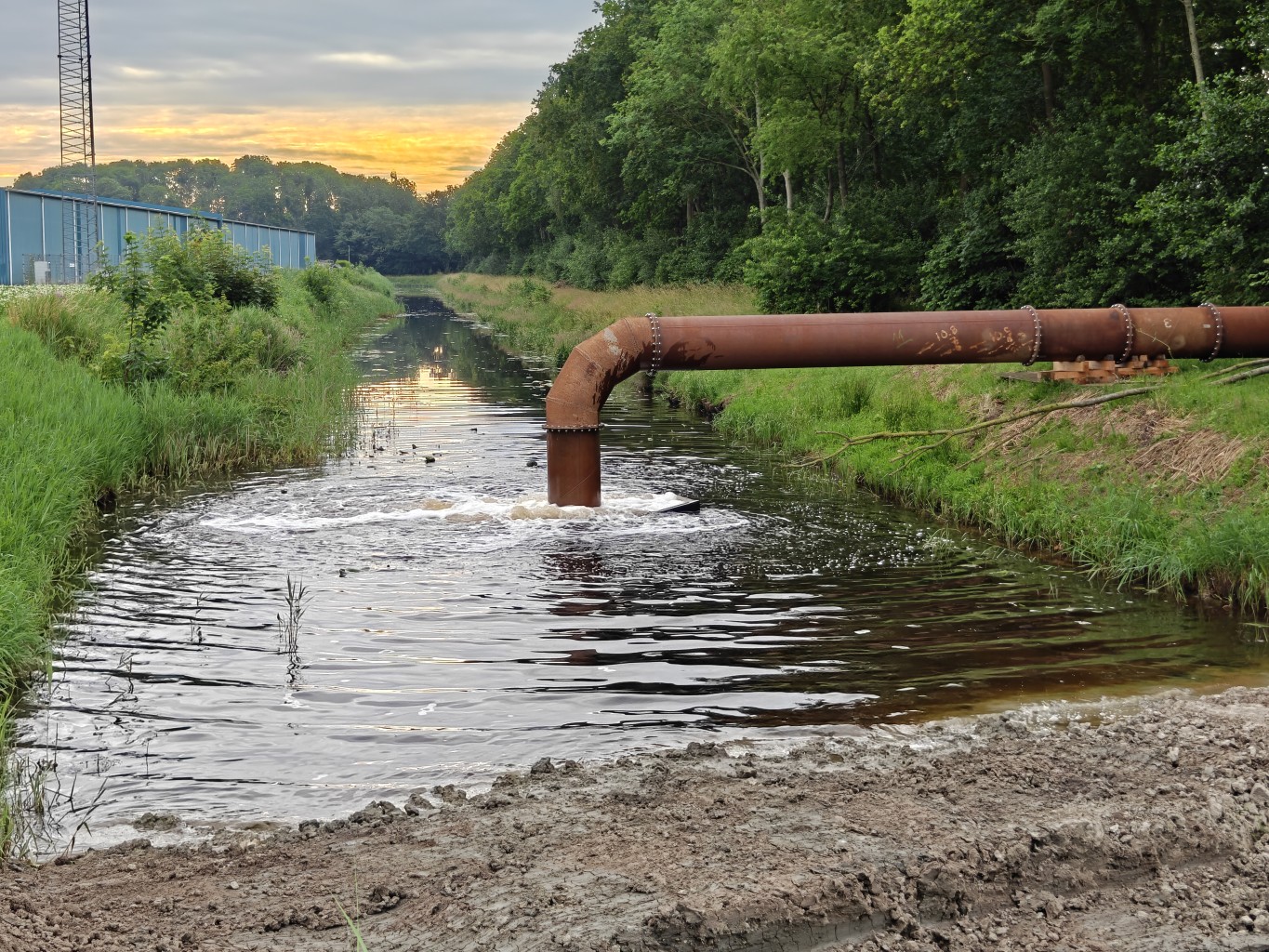
Stalen leiding in een sloot waar water uit komt in een groene omgeving met zonsondergang op de achtergrond

Technical performance vs fish-friendliness.

A temporary pump installation is often assessed on technical performance. Can the desired capacity be achieved? What is the lift height? How quickly can the installation be set up?

Rightly so. But practice is changing.

Increasingly, clients, engineering firms, and contractors are facing ecological issues. The Water Framework Directive (WFD), stricter permit requirements, and a growing focus on biodiversity ensure that temporary water diversions must be designed not only technically but also ecologically well. Fish-friendly pumping activities are often part of this.

Meet us.

Every temporary pump installation affects the environment.

A pump moves more than just water.

Consider the location of an intake, the flow rate towards the pump, the suction speed, or the route that fish use to move through a water system. Many of these aspects may seem small but can make a big difference to the aquatic ecosystem.

The good news is that many of these effects can already be limited in the design phase.

Fish-friendly work does not start at the pump

When fish safety is discussed, many people immediately think of special pumps or protective devices.

In reality, a fish-friendly temporary pump installation starts much earlier. The choice of location, the arrangement of the intake, the flow rates, and the operational strategy of the installation often largely determine the ecological impact.

This is precisely where an opportunity lies.

By combining ecological knowledge early with pump technology, solutions can be developed that perform better both technically and ecologically.
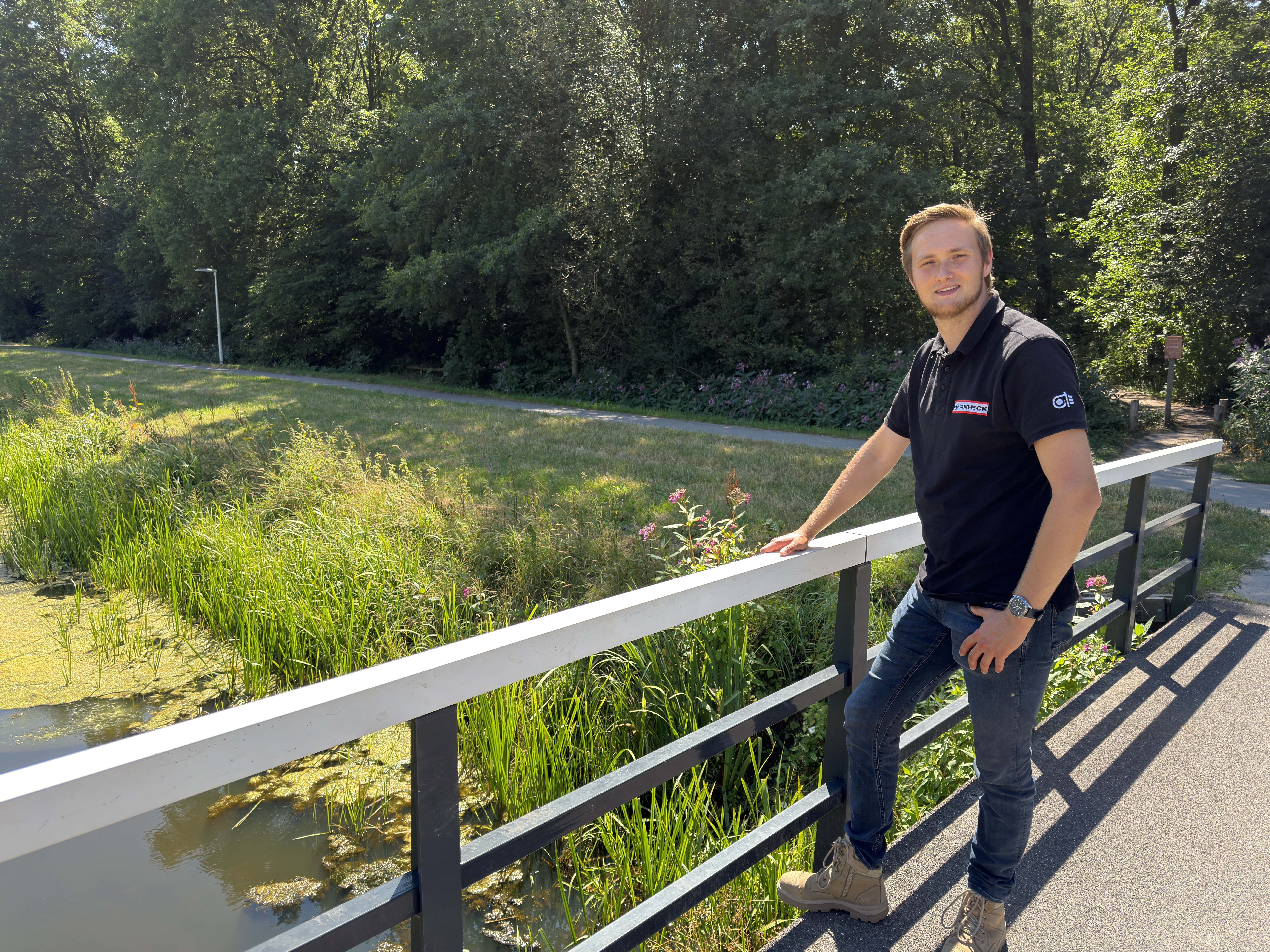
Een man staat op een brug naast een groen landschap met bomen en gras. Hij draagt een zwart T-shirt en lacht naar de camera.

From pump rental to knowledge partner

At Van Heck, we notice that these questions increasingly come to the table. Not only during the implementation of a project but primarily during the preparation.

That is why we have expanded our expertise with an aquatic ecologist to complement our technical knowledge with ecological expertise.

This way, we can advise clients, engineering firms, and contractors at an early stage on the setup of temporary pump installations and water diversions.

Practical and feasible

As you would expect from Van Heck, we remain pragmatic. No theoretical advice that is not feasible in practice, but solutions that work.

Because ultimately, a temporary pump installation must do what it was built for: reliably move water. If that can be done with less impact on nature at the same time, it's a win for everyone.

The next step

We believe that ecology will play an increasingly significant role in temporary pump installations in the coming years.

Not as a limitation, but as part of good design.

By bringing technology and ecology together from the beginning, solutions emerge that not only work today but also fit tomorrow's water challenges.

Want to know more about fish-friendliness?

We are happy to assist in better understanding projects from an ecological perspective.