

Government & water boards
Drought management in the Netherlands
Extreme drought requires rapid scaling up
Temporary pumping capacity for water authorities
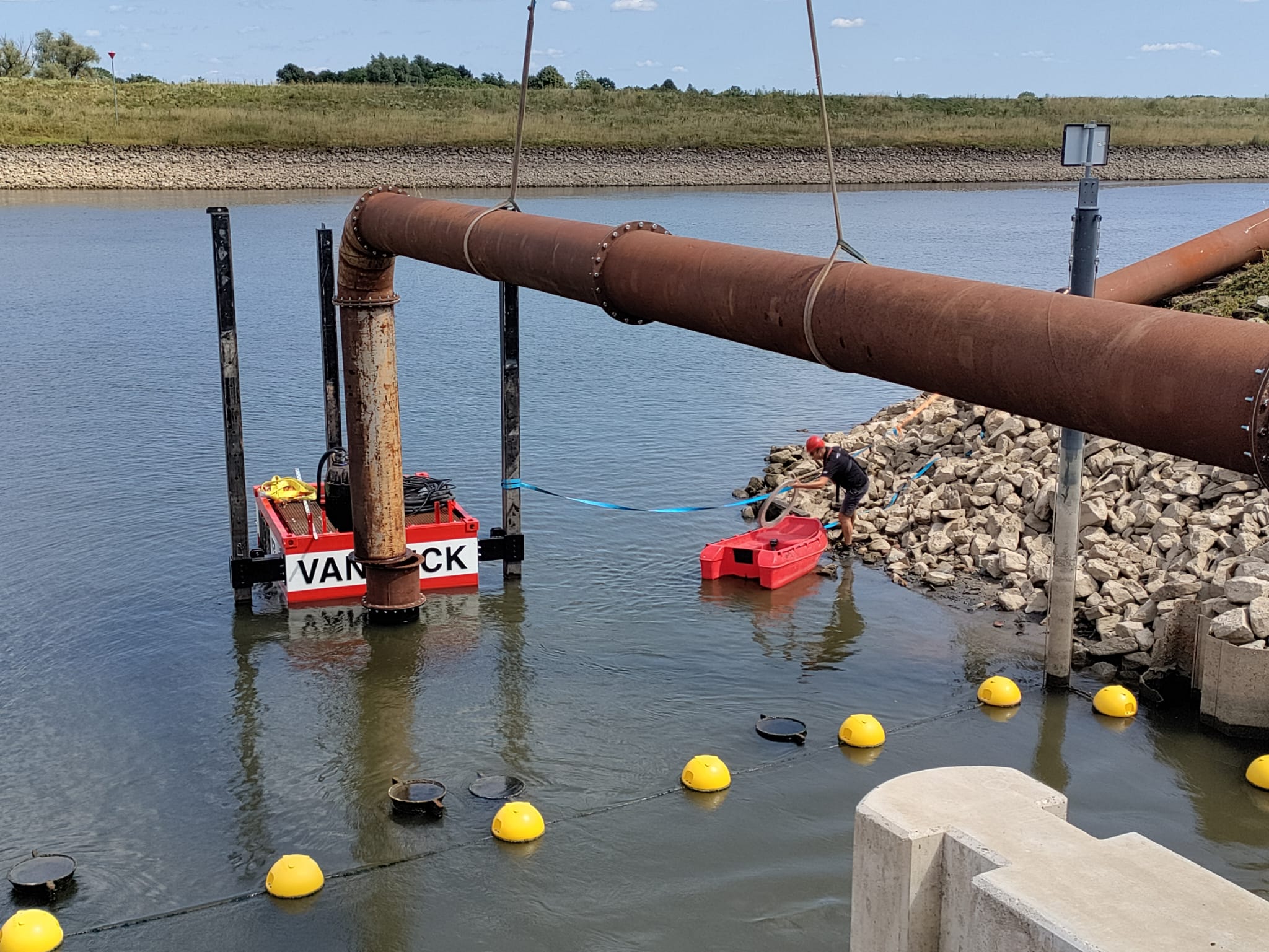
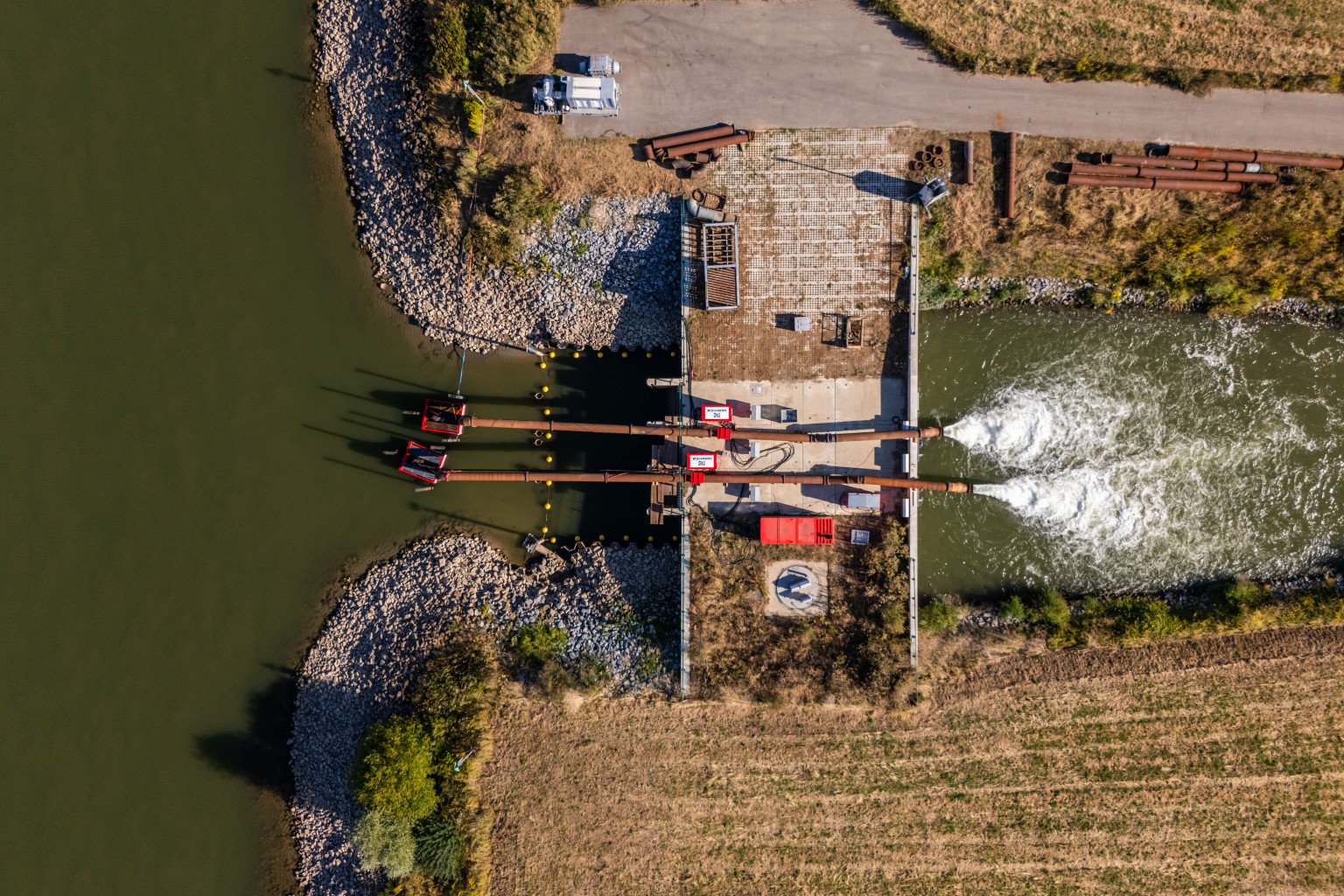
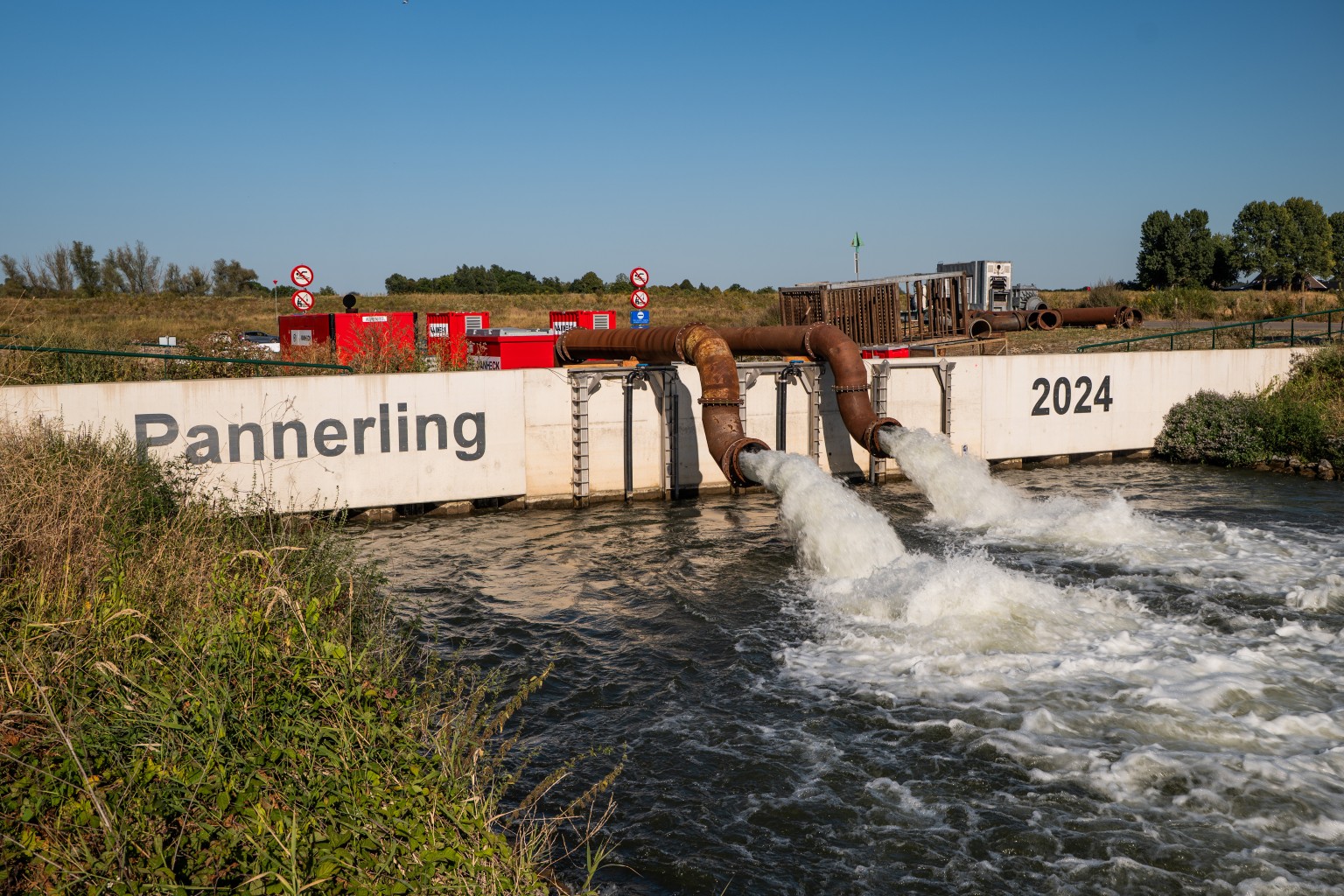
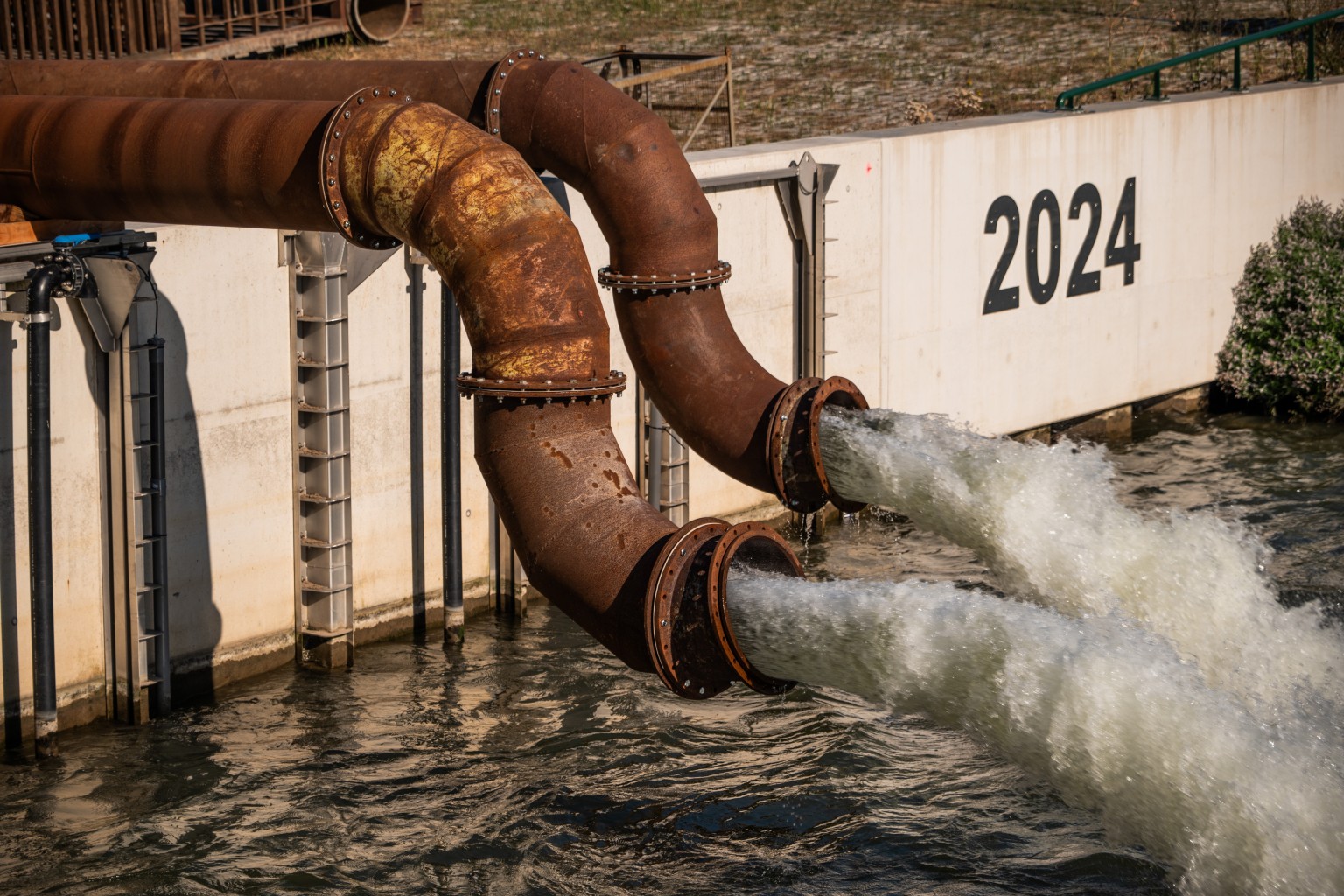
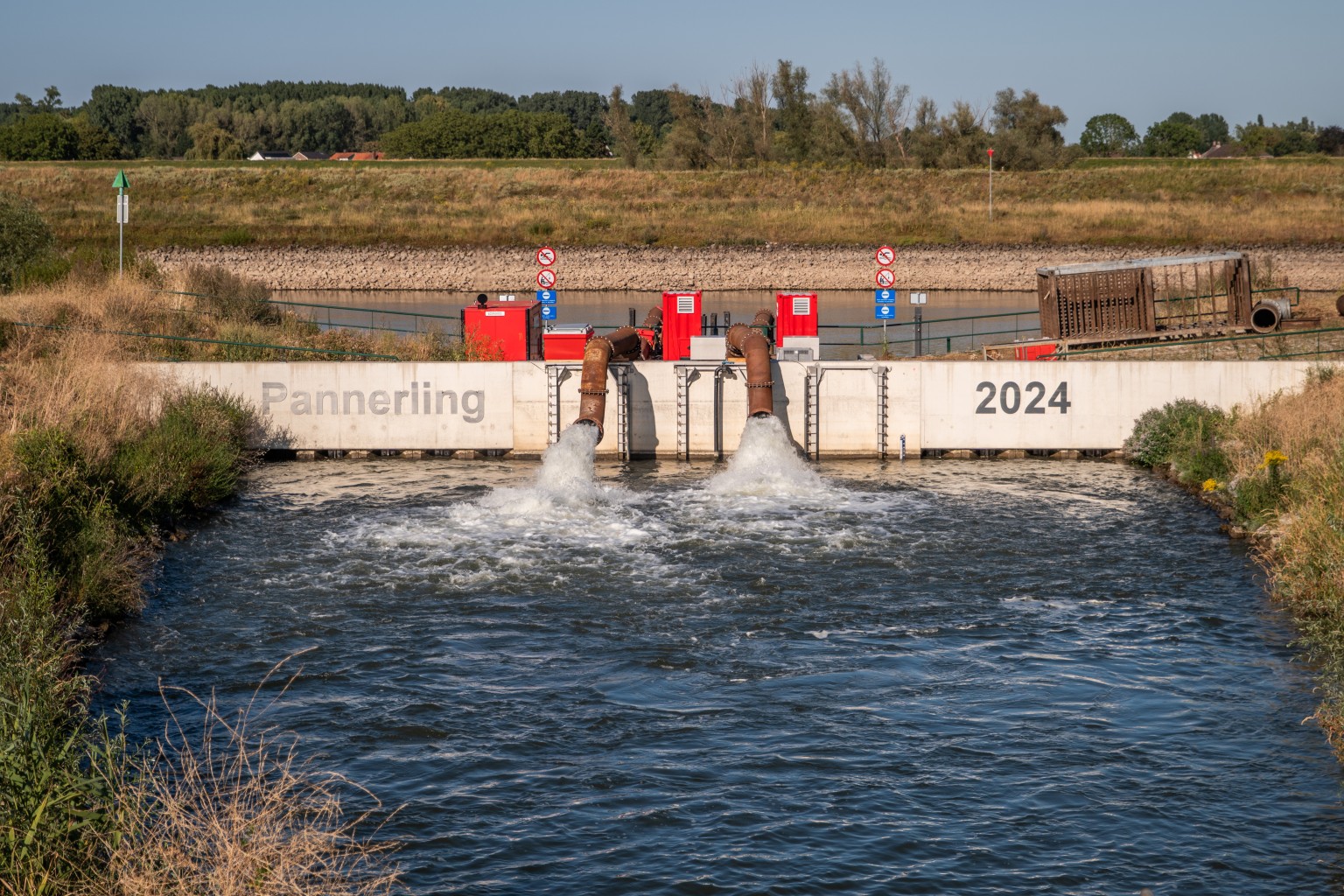
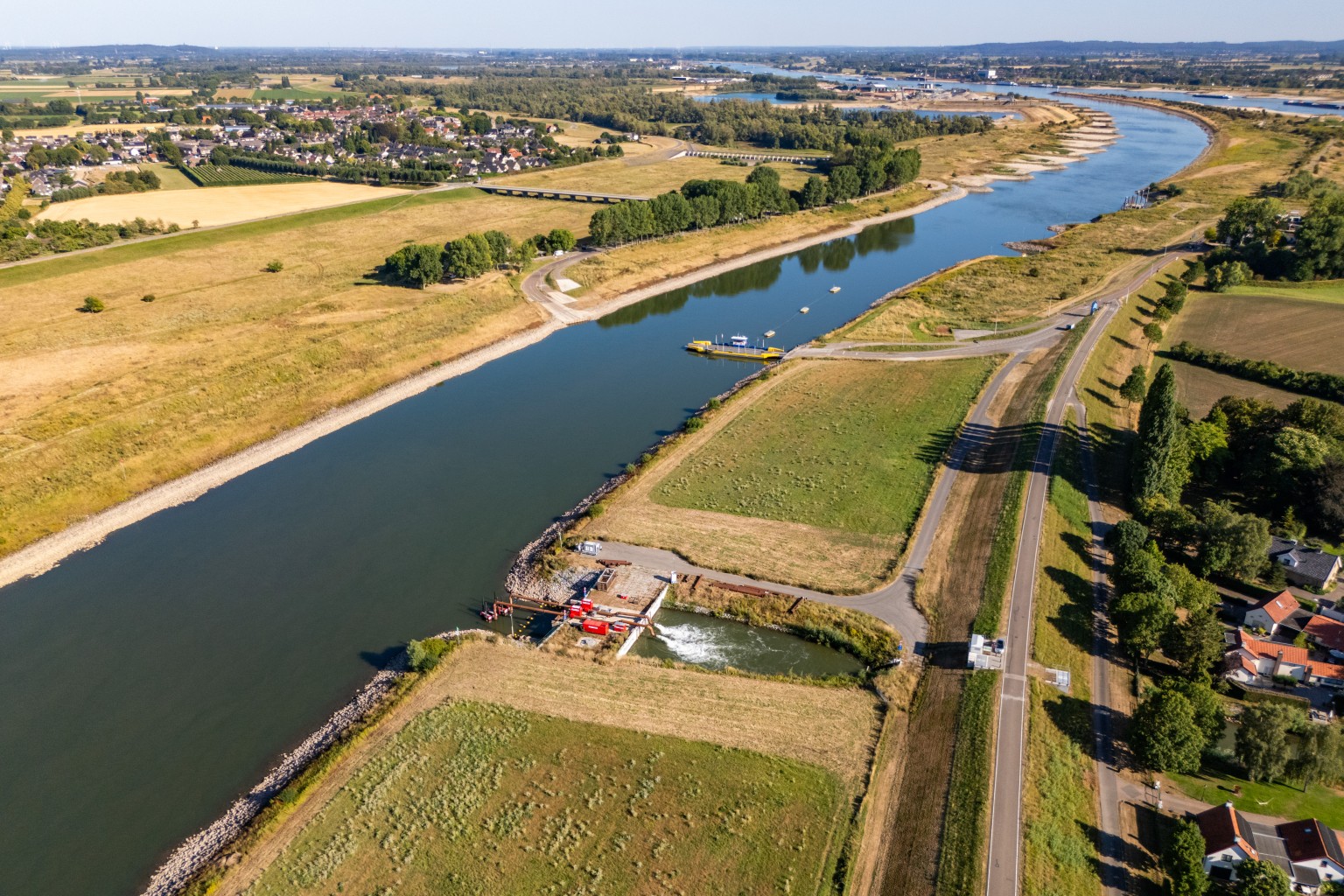
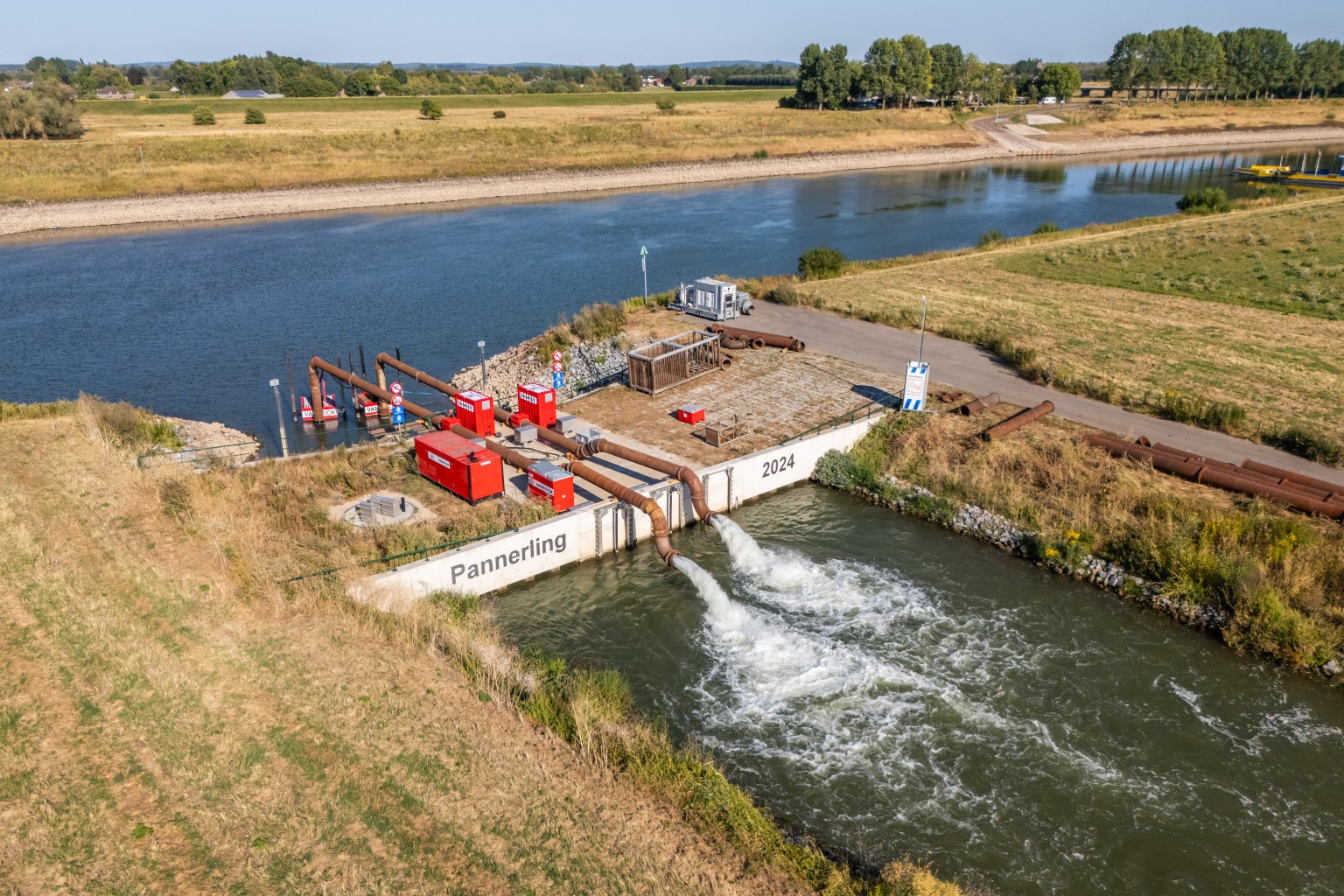
The ongoing drought is causing exceptionally low water levels in several places in the Netherlands. Therefore, various water authorities have quickly requested extra temporary pumping capacity. Not to discharge excess water, but to supply water and maintain the water system at level.
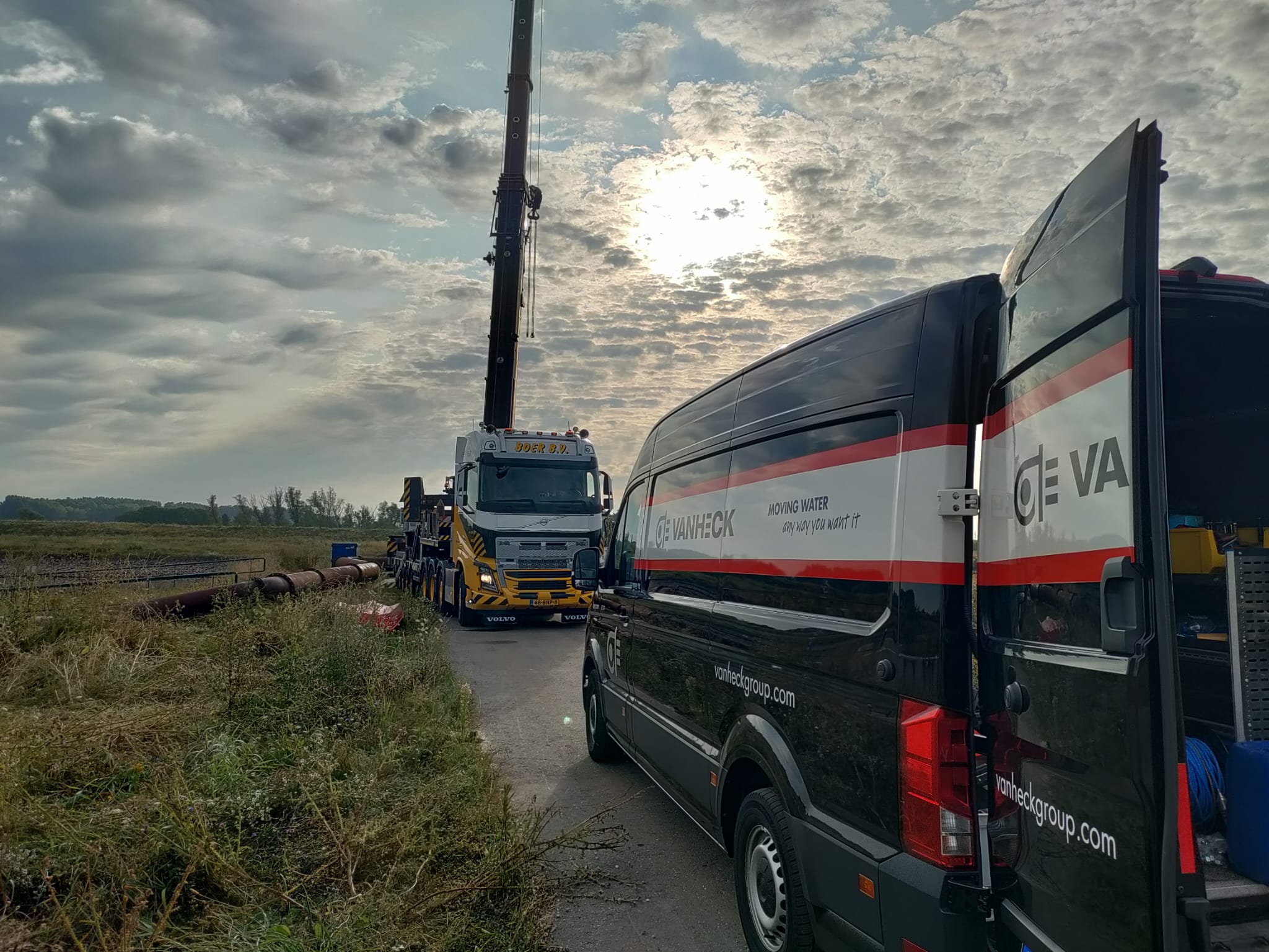
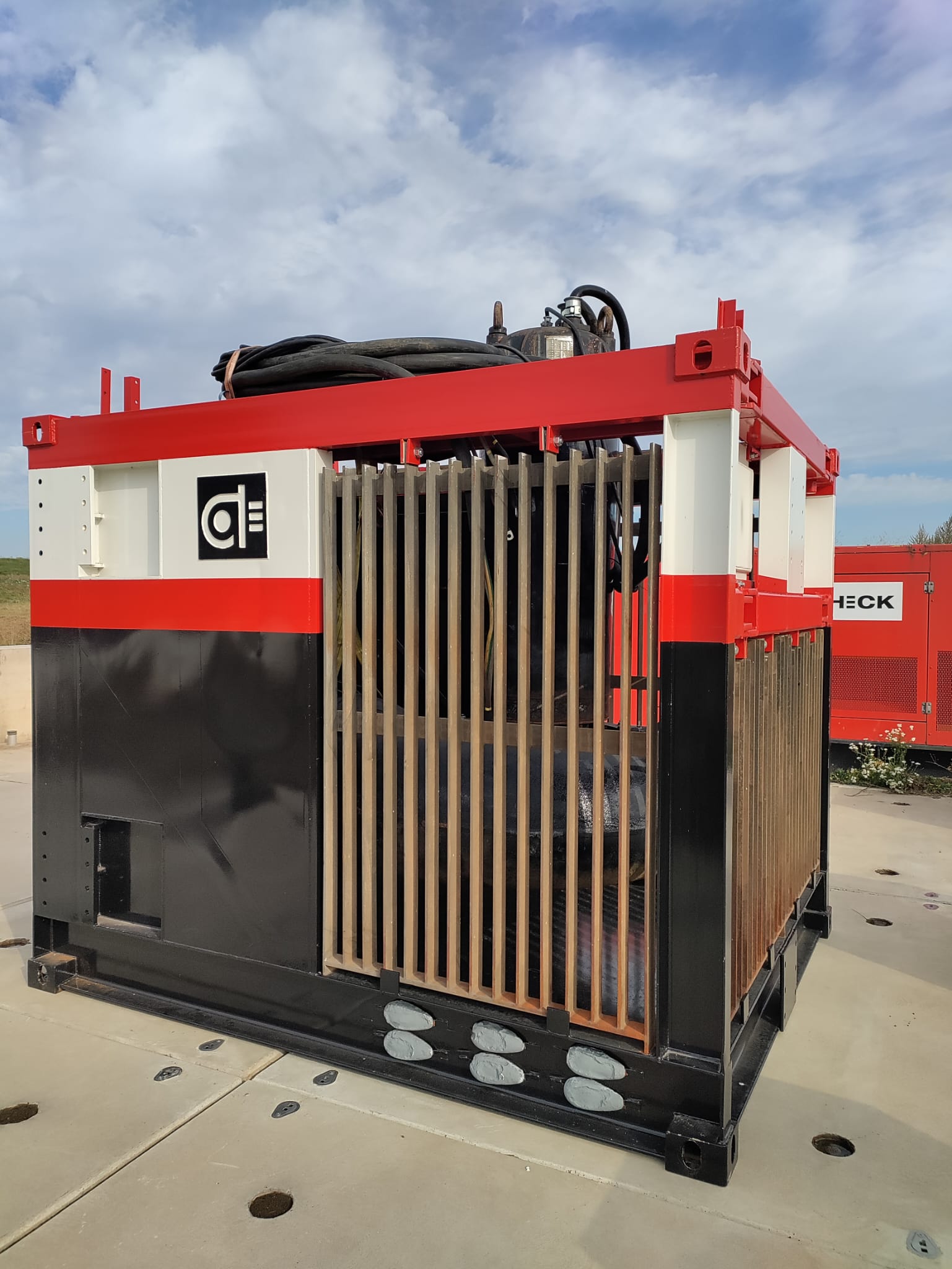
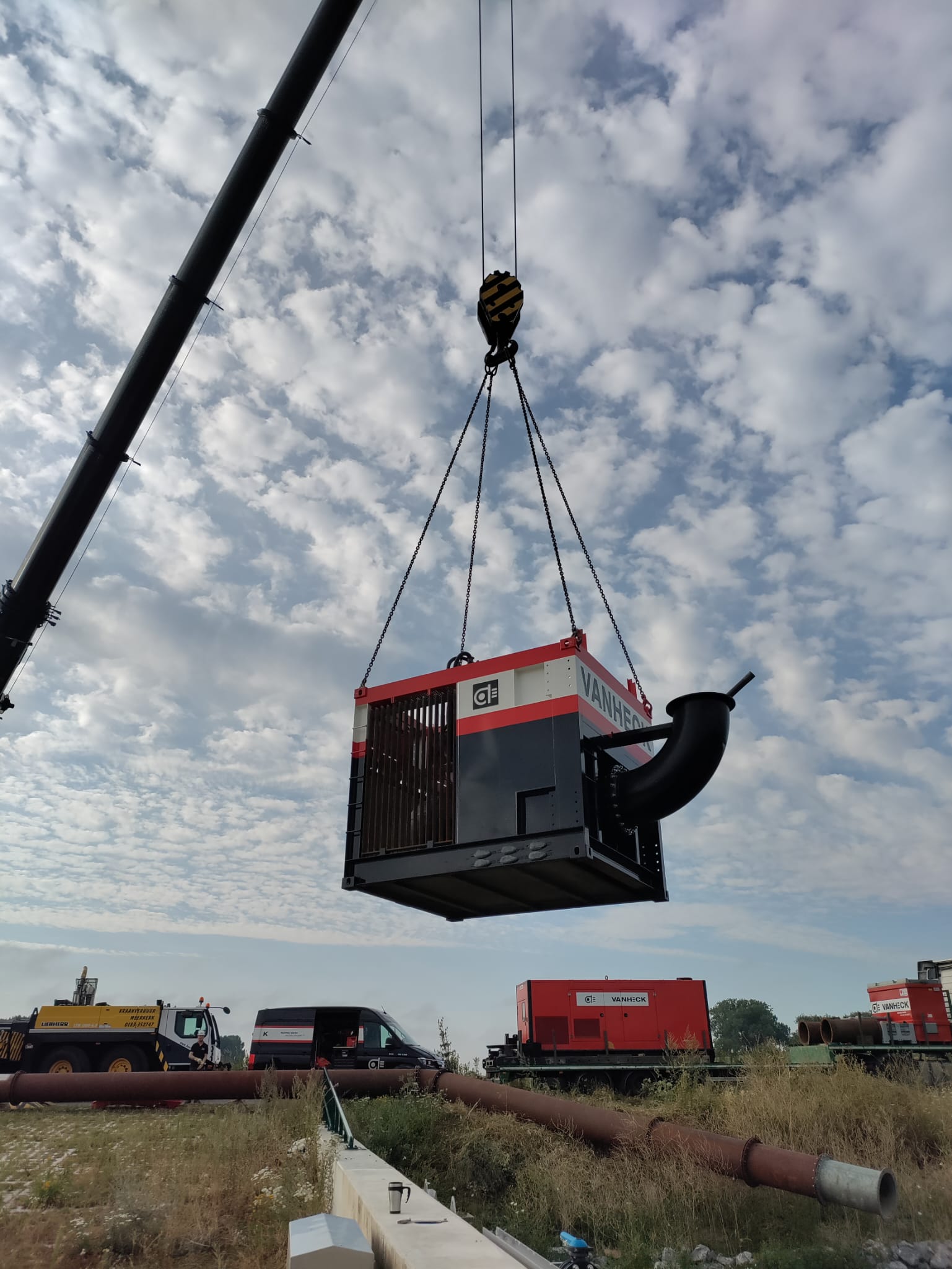
For Van Heck, this meant acting quickly. While our regular projects continued, several pump installations were prepared, transported, and set up within a few days.
Water levels continue to change
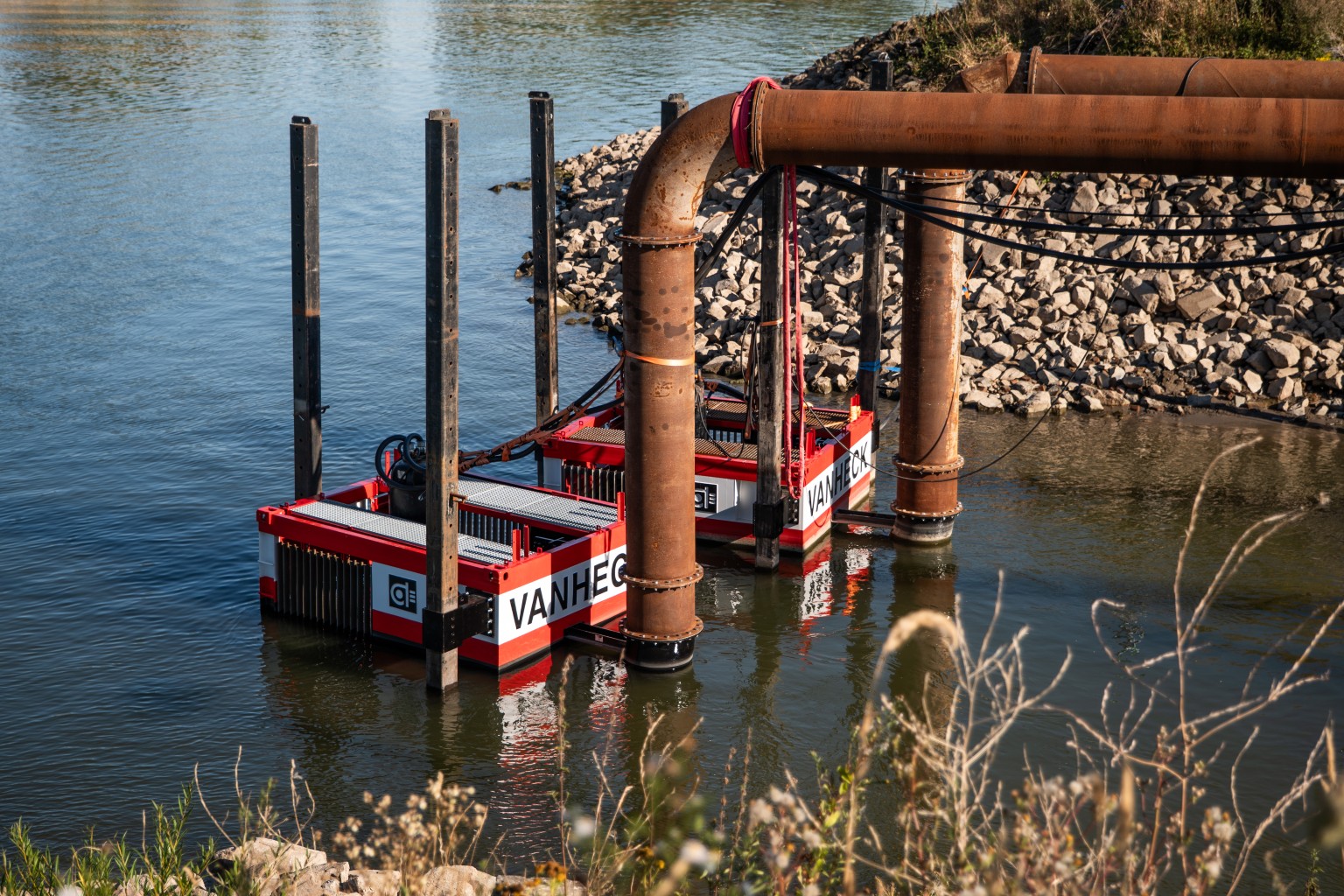
In drought conditions, the situation can change quickly. This was also evident during this deployment. A previously installed pump installation had to be relocated within a week because the water level had fallen further, and the original setup was no longer optimal.
Our engineers and technicians adjusted the installation to the new situation and ensured that the necessary water supply could continue.
At the same time, new requests came in from other locations. In record time, three additional pump installations were prepared and placed to support water authorities in managing the low water levels.
Extra effort when every day counts
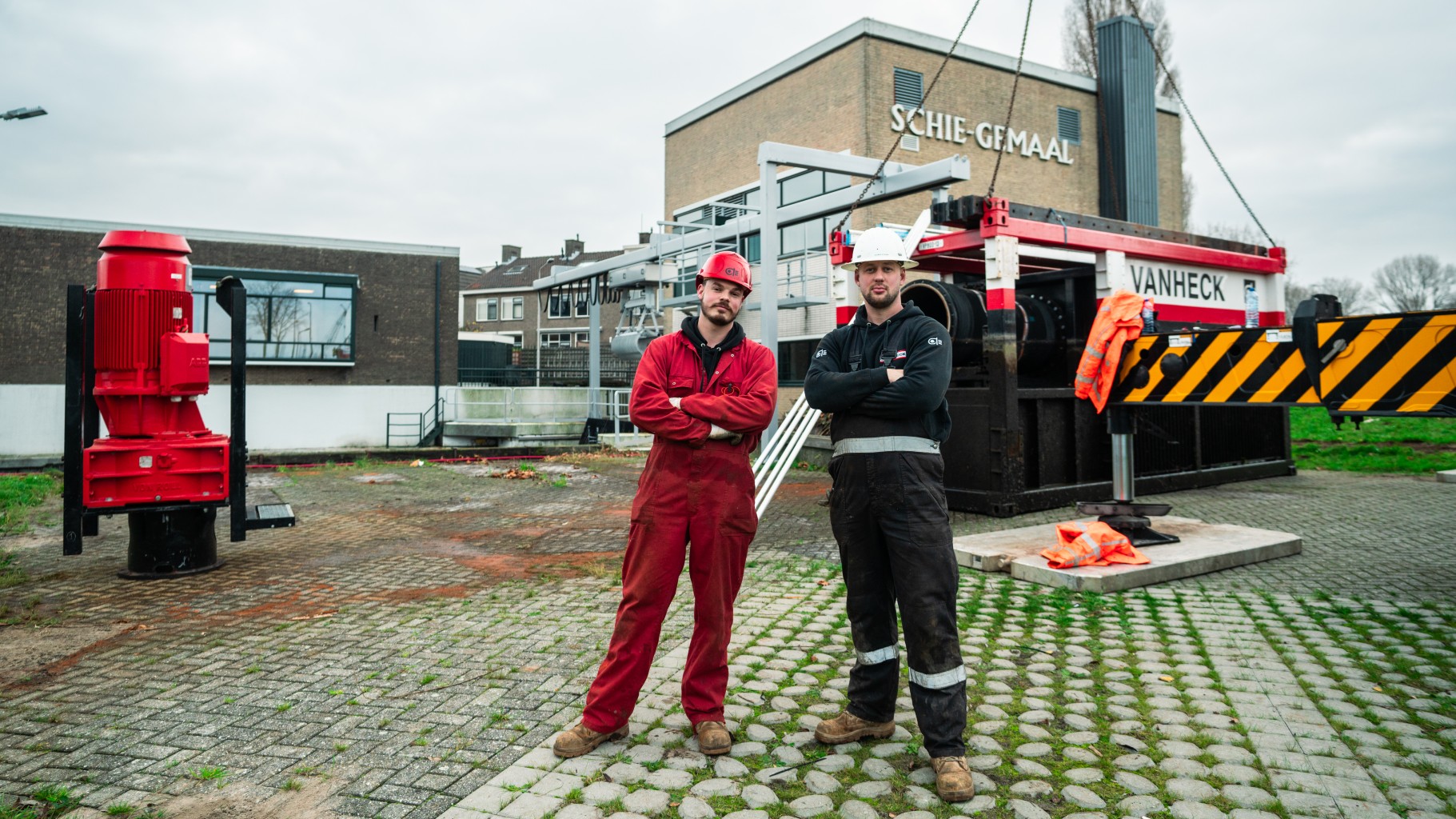
Such a peak demands not only much from our pump fleet but especially from our people. In the middle of the holiday season and alongside existing project work, extra capacity had to be mobilized quickly.
Colleagues from various disciplines stepped in where needed. Even employees who normally work in the office helped in the field with setting up and commissioning the temporary pump installations.
That flexibility makes it possible to scale up quickly even under exceptional circumstances.
Transporting water instead of discharging it
The Netherlands has traditionally been heavily focused on discharging excess water. During prolonged drought, the opposite challenge arises: maintaining a sufficient supply of fresh water and transporting water to areas where it is needed.
Temporary pump installations give water authorities the ability to quickly create additional water supply and respond to changing water levels. The installations can be relocated, expanded, or adjusted when the situation requires it.
This project shows that temporary water management is not only about technology and pumping capacity. It also requires flexibility, logistics, and people willing to go the extra mile when circumstances call for it.